10 Essential Tips for Non-EU Cosmetic Manufacturers Entering the EU Market
Planning to sell cosmetics in Europe? Discover the essential compliance requirements and strategic tips that non-EU manufacturers need to successfully enter the EU market.
MedNet EC-REP
Author
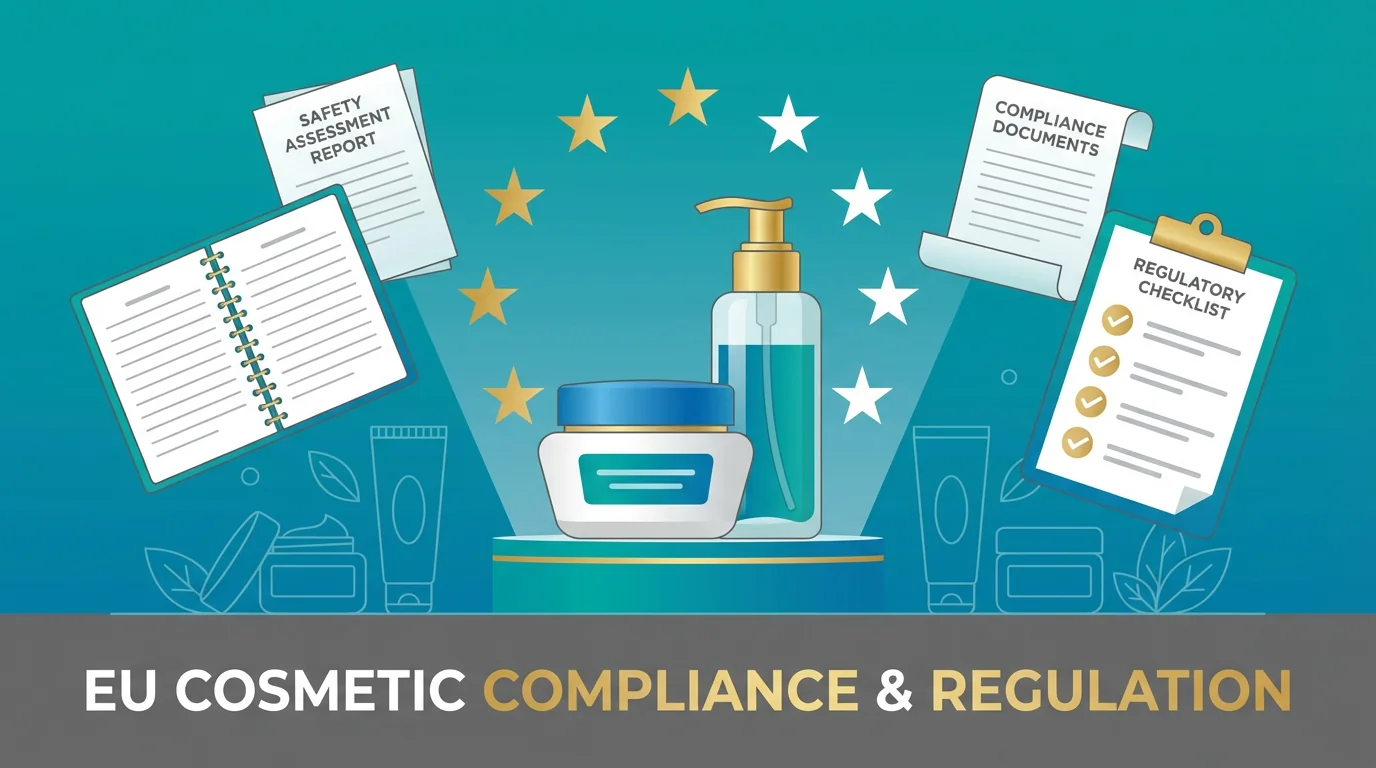
The European Union represents one of the world's largest and most lucrative cosmetics markets, with annual sales exceeding €80 billion. However, for non-EU manufacturers, navigating EU cosmetic regulations can seem daunting. Success in the EU market requires more than just quality products - it demands strict compliance with comprehensive regulatory frameworks.
This guide outlines ten essential tips to help non-EU cosmetic manufacturers successfully navigate EU market entry and achieve CPR compliance.
1. Appoint a Cosmetic Responsible Person (RP)
The most critical requirement for non-EU manufacturers is appointing a cosmetic responsible person established within the EU. This isn't optional - it's a legal requirement under the EU Cosmetics Regulation (EC) No 1223/2009.
Your Responsible Person must:
- Be physically located within the European Union
- Ensure product compliance with all EU cosmetic regulations
- Maintain the Product Information File (PIF)
- Handle communication with regulatory authorities
- Monitor the market for adverse effects
Without an EU-based Responsible Person, you cannot legally place cosmetic products on the EU market, regardless of product quality or safety.
2. Conduct a Comprehensive Cosmetic Safety Assessment
A cosmetic safety assessment (CSA) is the cornerstone of EU cosmetic regulations. This scientific evaluation must be conducted by a qualified safety assessor who holds a relevant degree in pharmacy, toxicology, medicine, or a related discipline.
The safety assessment must:
- Evaluate all product ingredients and their interactions
- Assess potential hazards and exposure levels
- Consider the intended use and target population
- Address specific concerns for vulnerable groups (children, pregnant women)
- Be updated whenever formulations change
This assessment forms Part B of your Product Information File and must be completed before market placement.
3. Prepare a Complete Product Information File (PIF)
The PIF is your product's regulatory passport. For each cosmetic product, you must maintain a comprehensive file containing:
- Product description and formulation
- Cosmetic safety assessment
- Manufacturing method and GMP compliance statement
- Proof of claimed effects (where applicable)
- Animal testing declaration
- Label and packaging information
Your Responsible Person must keep the PIF readily accessible to competent authorities for at least 10 years after the last batch was placed on the market.
4. Register Products in the CPNP
Before EU market entry, all cosmetic products must be registered in the Cosmetic Products Notification Portal (CPNP). This online system enables:
- Product notification to all EU member states simultaneously
- Access for market surveillance authorities
- Poison centers to access formulation data for medical emergencies
- Consumer safety through regulatory oversight
Registration must occur before the product is placed on the market and includes detailed information about ingredients, labeling, and the Responsible Person.
5. Ensure Ingredient Compliance
EU cosmetic regulations maintain strict lists governing ingredient usage:
- Annex II: Prohibited substances (over 1,600 banned ingredients)
- Annex III: Restricted substances (with specific conditions and limits)
- Annex IV: Allowed colorants
- Annex V: Allowed preservatives
- Annex VI: Allowed UV filters
Many ingredients permitted in other markets (including the United States, Asia, or other regions) may be prohibited or restricted in the EU. Verify every ingredient against current EU regulations.
6. Meet Labeling Requirements
EU cosmetic labeling requirements are specific and non-negotiable. Your product labels must include:
- Name and address of the Responsible Person
- Nominal content at time of packaging
- Date of minimum durability or PAO (Period After Opening)
- Precautions and warnings
- Batch number or product identification
- Function of the product
- Full ingredient list (INCI nomenclature)
All mandatory information must appear in the language(s) of the member state(s) where the product is sold.
7. Implement Good Manufacturing Practices (GMP)
While GMP certification isn't mandatory for cosmetics, demonstrating compliance with ISO 22716 significantly strengthens your market position and builds trust with the Responsible Person, retailers, and regulators.
GMP compliance ensures:
- Consistent product quality
- Contamination prevention
- Proper documentation and traceability
- Staff training and competence
- Quality management systems
8. Understand the UK Market Post-Brexit
Since Brexit, the UK cosmetics market requires separate consideration. If targeting both EU and UK markets, you may need:
- A separate UK Responsible Person
- Dual registration (CPNP for EU, SCPN for UK)
- Different labeling for UK versus EU markets
- Separate compliance strategies
Plan your market entry strategy accordingly to avoid costly duplications or compliance gaps.
9. Prepare for Market Surveillance and Enforcement
EU member states actively monitor cosmetic products through market surveillance activities. Ensure you're prepared for:
- Random product inspections and testing
- Requests for PIF documentation
- Adverse event reporting obligations
- Corrective action requirements
- Potential product recalls
Your Responsible Person plays a crucial role in managing these regulatory interactions and ensuring swift, compliant responses.
10. Stay Updated on Regulatory Changes
EU cosmetic regulations evolve continuously. Recent and ongoing changes include:
- Updated ingredient restrictions and prohibitions
- Enhanced requirements for substantiating claims
- Stricter rules on endocrine disruptors
- Microplastic ingredient phase-outs
- Digital labeling initiatives
Establish systems to monitor regulatory updates through official EU sources, industry associations, and your Responsible Person's expertise.
Conclusion
Successful EU market entry for non-EU manufacturers requires thorough preparation, professional expertise, and ongoing compliance commitment. While the regulatory framework may seem complex, it ultimately protects consumers and creates a level playing field for quality manufacturers.
By appointing a qualified cosmetic Responsible Person, conducting proper safety assessments, maintaining comprehensive documentation, and staying informed about regulatory requirements, non-EU manufacturers can successfully navigate CPR compliance and tap into Europe's dynamic cosmetics market.
Investing in compliance from the outset not only ensures legal market access but also builds brand reputation, consumer trust, and long-term business success in the European Union.
Ready to enter the EU cosmetics market? Ensure your compliance strategy is comprehensive and your Responsible Person is qualified to represent your products in this demanding but rewarding marketplace.
Related Articles

The Most Common Mistakes in Initial EUDAMED Actor Registration and How to Avoid Them
EUDAMED Actor Registration is now mandatory for every manufacturer placing devices on the EU market. Here are the five mistakes we see most often during initial registration and how to avoid the delays they cause.

What Is an EU Authorized Representative? The 5 Key Questions for Manufacturers Outside the EU
Do you need an EU Authorized Representative? Learn who needs one, their obligations, liability, and how they differ from importers and distributors.

Device Registration Transition Deadline, 28 November 2026: What Manufacturers Need to Do Now
Legacy and Regulation devices under transition must be registered in EUDAMED by 28 Nov. 2026. Learn who's affected, how EUDAMED-DI/ID registration works, and how to avoid mistakes.
Stay Updated
Get the latest regulatory updates and industry insights delivered to your inbox.
Subscribe to Updates